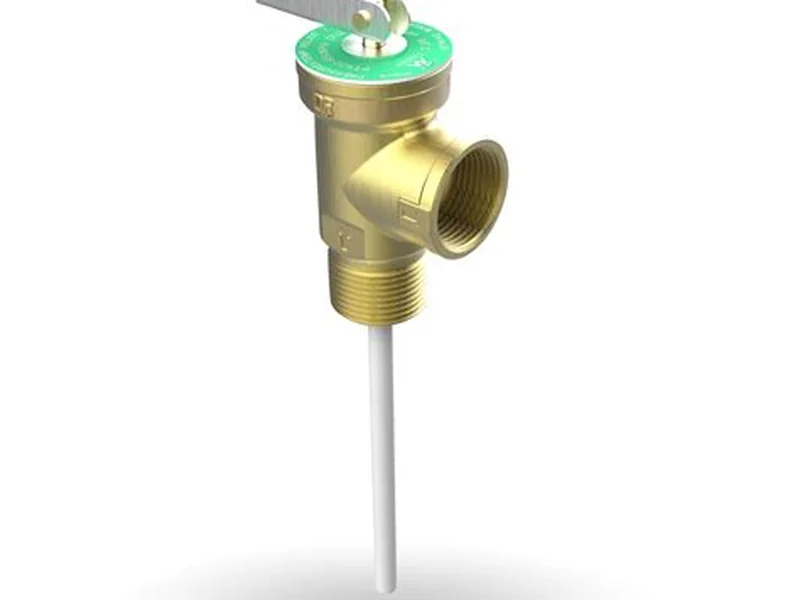
The temperature-pressure relief valve — the TPR valve — is the single most important safety device on a tank water heater. It is designed to open at 150 psi or 210 degrees Fahrenheit, dumping water to prevent a catastrophic tank rupture if the thermostat fails or pressure spikes. When it starts dripping, it is either doing its job against excessive pressure or telling you its own spring and seat have worn out.
In Somerville homes, a leaking TPR valve usually traces to one of three causes: thermal expansion in a closed plumbing system with no expansion tank, a failed valve that no longer reseats, or sediment and corrosion fouling the valve seat. Our technicians determine which one it is before replacing anything, because a new valve on a system with unmanaged expansion pressure will start dripping again within weeks.
Why TPR Valves Leak
Thermal expansion is the number one cause. When water heats, it expands, and in a closed system — one with a check valve, pressure-reducing valve, or backflow preventer on the main — that extra volume has nowhere to go. Pressure climbs with every heating cycle until the TPR valve weeps to relieve it. Somerville homes with recent meter upgrades or PRV installations often develop this pattern, and the valve is the messenger, not the problem.
Valves also simply wear out. The spring weakens over years of heat cycling, the seat accumulates mineral deposits or corrosion, and the valve begins to weep at normal operating pressure — or it fails to reseat after someone lifts the test lever. A valve that drips constantly, rather than only during heating cycles, usually has a failed seat and needs replacement regardless of system pressure.
Warning signs Somerville homeowners should not ignore: a steady drip from the discharge pipe, water pooling beneath the pipe's termination, corrosion or mineral crust on the valve body, or a test lever that sticks. Never cap, plug, or valve-off a dripping TPR valve or its discharge pipe — that removes the tank's last line of defense against rupture.
Somerville Housing Stock and What It Means for TPR Valve Replacement
Somerville holds one of the densest triple-decker concentrations in the country, alongside two-families, converted multi-units, and new luxury developments at Assembly Row and Union Square. The 1890s to 1920s stock still carries galvanized pipe with copper retrofits layered over it, gut renovations run PEX, basement heaters are cramped into low-clearance cellars, and converted apartments use closet units. Full basements are standard in the old stock, the water table runs high near the Mystic River and Alewife Brook, and new construction sits on slab.
For TPR Valve Replacement, density is the business model: the highest concentration of aging basement heaters per square mile in the service area makes Somerville a volume market for replacements, with parking on narrow one-way streets as the binding constraint on every job. The gut-renovation cycle creates a specific trap, with many multis running new PEX repipes around the original tank, so system ages are mismatched and the tank gets inspected even when the pipes look new. Converted attics and top-floor units with closet heaters put a leak two floors above finished living space, which makes a pan with a drain plus a sensor the standard recommendation. Assembly Row and Union Square developments run on property-manager and HOA coordination with elevator logistics for tank moves.
Somerville Water Supply and Winter Conditions
Somerville is a full MWRA water and sewer member with soft water near 15 to 20 parts per million. Tanks here fail from age, damp lowland basements, and deferred maintenance in rental multis, not from the supply.
The regional freeze baseline applies, and the Mystic and Alewife lowlands flood in heavy storms. TPR Valve Replacement in those lowlands treats elevation and sump verification as standard, and winter work across the triple-decker stock always includes a check of exposed supply runs, because a freeze-split line in a shared basement can look like a tank failure until it is properly isolated.
What Happens During a TPR Valve Replacement Visit
TPR valve replacement is straightforward, but the diagnosis around it is what matters. Here is the sequence in Somerville homes:
- Shut off the fuel supply and the cold-water inlet, then relieve tank pressure through a hot tap and a brief lift of the TPR lever.
- Drain the tank below the TPR tapping so the old valve can be removed without flooding the area.
- Remove the old valve and inspect the tank tapping for corrosion or thread damage.
- Check system pressure with a gauge and check for a closed system — if thermal expansion is the cause, we size and install an expansion tank with the air charge set to house pressure.
- Install the new TPR valve, rated for the heater's BTU input, with thread sealant rated for potable hot water.
- Run the discharge pipe full-size to within six inches of the floor, with no valves, caps, or threads on the end, terminating where discharge will be noticed.
- Refill the tank completely, purge air through the hot taps, test the new valve's lever, and verify it holds under normal operating pressure.
Parking on Somerville's narrow one-way streets is the binding constraint on every job, so we plan van placement carefully. Converted top-floor closet heaters need stairwell and hallway clearance checks in advance. Before leaving, we confirm the expansion tank charge and show you where the discharge terminates, so a future drip gets noticed instead of soaking a wall.
TPR Valve Replacement FAQs for Somerville
Questions Somerville, MA 02143 homeowners ask about temperature-pressure relief valves, answered directly.
Keeping Your Relief Valve Reliable in Somerville
A relief valve stays reliable when the system around it is healthy: house pressure in the 50 to 60 psi range, a working expansion tank with its air charge matched to that pressure, and a discharge pipe that stays clear and visible. In Somerville, the annual lever test is the one habit that matters — lift it briefly, confirm water flows and stops, and call if it sticks or keeps dripping.
Never treat the relief valve as the expansion system. If it weeps every heating cycle, the system needs an expansion tank, not a tougher valve. And keep the discharge termination visible: a valve that discharges into a hidden corner is a warning nobody receives, which defeats the entire purpose of the device.