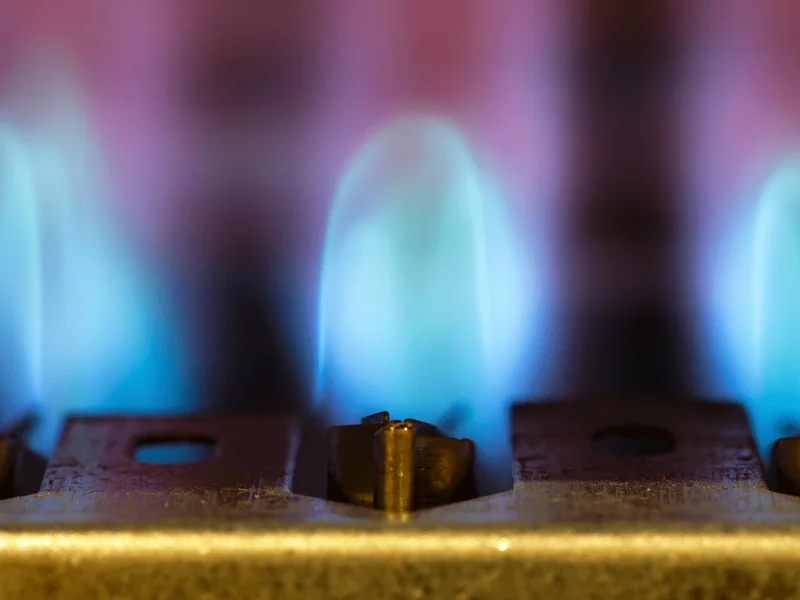
Chelsea's 02150 is one of the densest cities on our service map — 1890s–1920s triple-deckers and workers' housing packed onto filled tideland blocks, with gas water heaters in cramped, often chronically damp basements. When a gas control valve fails here, the setting is the story: high water tables corrode pilot assemblies from below, storm surge from Chelsea Creek and the Mystic has submerged heaters outright, and parking so tight that the service van itself is a logistics project.
Our technicians replace gas control valves on tank water heaters across Chelsea, MA 02150, from the Broadway corridor triple-deckers to the waterfront blocks near Mary O'Malley Park. The local failure patterns are distinctive: bottom-up corrosion of the control assembly in damp basements, submerged valves after coastal flood events that must be replaced by policy, and thermal-expansion issues on closed systems with undersized or missing expansion tanks. Below is how we diagnose valve problems in Chelsea, what replacement involves, and what to know before we arrive.
Damp Basements and Bottom-Up Valve Corrosion
Chelsea's triple-deckers sit on filled tideland with a high water table, and their basements stay damp in a way that inland towns never see. The gas control assembly — valve body, pilot tube, thermocouple — sits low on the heater, exactly in the corrosion zone. We find pilot tubes green with oxidation, thermocouple connections weakened by moisture, and valve housings with rust blooming on every screw. The failure pattern is intermittent at first: a pilot that holds in dry weeks and drops in damp ones.
The practical defense is elevation and drainage: heaters on stands, corrosion-resistant drain pans, and working sump pumps where the water table demands them. But there is a limit to what maintenance can do — in the dampest Chelsea basements, the control assembly simply lives a shorter life, and we say so honestly when we find a valve corroded beyond reliable service. Replacing the valve without addressing the dampness underneath it is a repair with an expiration date.
Storm Surge and the Submerged-Valve Rule
Chelsea's coastal exposure is not theoretical: nor'easter storm surge pushes up Chelsea Creek and the Mystic waterfront into basements, and heaters in those homes have been fully submerged. Our rule is absolute and we state it upfront — any gas control valve that has been underwater is replaced, never dried out and reused. Floodwater destroys the internal safety mechanisms, and no inspection, testing, or cleaning can verify them afterward.
The predictable pattern is the post-storm surge of calls: the water recedes, heaters that sat in salt-laden floodwater start misbehaving or failing outright, and owners discover the damage weeks later when corrosion finishes what the flood started. If your Chelsea basement took on water in a storm, have the heater inspected even if it seems to work — and expect the valve to be replaced. Planning the replacement proactively beats discovering the failure at the worst moment.
Expansion Tanks and Misdiagnosed Valve Problems
Chelsea's older multi-family buildings frequently have closed plumbing systems with undersized or entirely missing expansion tanks — and the symptom lands on our valve calls. Without a working expansion tank, each heating cycle spikes system pressure, which forces water out of the T&P relief valve and stresses every seal in the heater. Owners report the problem as a valve or tank issue; the actual culprit is thermal expansion with nowhere to go.
We check the expansion tank's air charge on every Chelsea service call, because a waterlogged tank is one of the most common hidden causes of weeping, dripping, and premature component failure we see. The fix — a properly sized and charged expansion tank — is inexpensive relative to the damage unchecked pressure does over years. It is also a code consideration on closed systems, which most of Chelsea's metered multi-family buildings are.
Access and Parking on Chelsea's Dense Blocks
A gas valve is a small part carried in a toolbox, which is fortunate — because getting a service van near a Chelsea triple-decker is genuinely difficult. The blocks have almost no off-street parking, alleys are narrow, and bulkhead access often runs through tight rear passages. We schedule Chelsea visits with realistic access windows and ask owners to clear the basement path completely before we arrive.
The valve job itself is mostly contained to the heater: diagnosis, gas shutoff, valve swap, line testing, burner cycling. What takes the time in Chelsea is the environment — working in a cramped, damp basement corner, verifying the gas line test thoroughly, and documenting the installation for landlords who manage multiple buildings. Absentee landlords own much of this stock, so we provide the written record — what failed, what was replaced, what to watch — that lets an owner manage from a distance.
How a Gas Control Valve Works — and What Replacement Involves
The gas control valve is the brass-bodied unit mounted low on the front of a gas water heater, the single point where the gas supply line, the pilot tube, and the thermocouple all converge. Inside that housing, a thermostat senses tank temperature through a probe seated in the tank wall and opens or closes the main burner valve to hold the setpoint. A separate safety circuit holds the pilot valve open only while the thermocouple — or thermopile on some models — generates its small millivolt signal from the pilot flame. If the pilot goes out, the signal dies and the valve snaps the gas supply shut. That fail-safe is what makes these valves trustworthy, and it is also why a dying thermocouple so often masquerades as a bad valve: the symptom looks identical until it is tested.
Most heaters built in the last two decades use FVIR (flammable vapor ignition resistant) designs, which seal the combustion chamber and add a thermal cutoff device into the assembly. On those units, a tripped thermal cutoff or a clogged flame-arrestor intake screen can mimic valve failure, so diagnosis has to rule those out before any parts are ordered. Replacement itself is precision gas-fitting work. We shut off the gas at the supply cock, close the cold-water inlet, and drain the tank below the valve port. Then we disconnect the gas supply line, the pilot tube, the thermocouple, and the igniter wire, and unthread the old valve from the tank spud. The new valve threads in with approved pipe sealant, every connection is remade, and then comes the step that matters most: the gas line is tested with leak-detection solution at full line pressure, the pilot is lit and observed for a steady envelope around the thermocouple tip, and the burner is run through complete heat cycles while we verify flame character, draft at the vent, and correct shutoff response at the thermostat. This is not a homeowner task — gas connections demand trained hands and proper testing.
Gas Safety: What to Do (and Not Do) Around a Suspect Valve
If you smell gas — the sharp rotten-egg odor of mercaptan — anywhere near your water heater, do not touch the valve, do not light anything, and do not flip electrical switches. Leave the house and call your gas utility's emergency line from outside, then call us. For a valve that simply misbehaves — a pilot that will not stay lit, a burner that short-cycles — turn the control knob to the off or pilot position and keep the area clear until a technician arrives.
Never attempt to disassemble a gas control valve. The internal seals, springs, and regulators are factory-set, and there are no field-serviceable parts inside the housing. Combustion air matters as well: a gas heater crowded into a small closet or a basement corner packed with storage can starve for air, causing sooting and carbon monoxide risk that looks exactly like a valve problem. After every valve replacement, we confirm the vent is connected and drafting properly, because a disconnected or back-drafting flue can spill combustion gases into the home. One more hard rule: any gas control valve that has been submerged in floodwater must be replaced, never dried out and reused. Water destroys the internal safety mechanisms even when the valve appears to work afterward, and we replace submerged valves as a matter of policy.