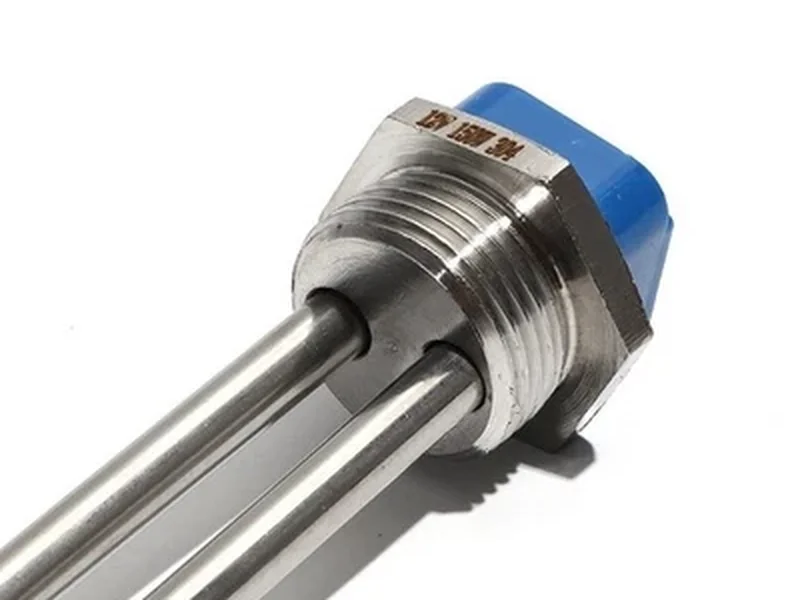
Electric water heaters fail in a confusing way: one of two heating elements dies, and the heater limps along producing strange, partial symptoms — hot water that runs out in minutes, or a reset button that keeps tripping. This guide covers the five signatures of element failure, why scale is the usual killer, how replacement should be done (and the dry-fire trap that destroys new elements), and when a dead element is really a signal to replace the whole heater.
How Electric Elements Work (and Why They Fail Partially)
Most electric water heaters have two elements — upper and lower — that take turns heating the water. The upper element heats the top of the tank first, then hands off to the lower for the bulk of the water. When one fails, the heater limps along on the other, which is why element failure rarely means 'no hot water at all' — it means strange, partial symptoms that confuse homeowners.
This guide is for electric heaters. If you have gas, your heat comes from a burner, and the equivalent troubleshooting lives in our gas control valve and pilot light guides. Element problems don't cause tank leaks directly — but the scale that kills elements also kills tanks, so take element failure as a warning about the whole unit. See hard water effects for the full picture.
The Five Signatures of Element Failure
- Lukewarm water that runs out fast — the classic lower-element failure: the upper element heats the top few gallons, then there's nothing behind it.
- No hot water at all — usually the upper element (or its thermostat) has failed, so nothing heats.
- Water that's hot, then suddenly cold, then hot again — an element shorting intermittently or a thermostat misreading.
- Tripped breaker or the reset button keeps popping — a shorted element trips the high-limit safety. Resetting repeatedly without fixing the cause is not a strategy.
- Rusty or metallic hot water — a burned-out element's sheath has split, exposing metal to the water.
Before assuming the element: check the breaker, press the high-limit reset button (behind the upper access panel) once, and confirm the thermostat settings. If the reset trips again, something is genuinely wrong — call a tech.
Why Elements Die: Scale, Dry-Firing, and Age
Nine times out of ten, it's scale. Dissolved minerals bake onto the element's sheath, the sheath overheats because it can't shed heat into the water, and the internal resistance wire burns through. Medford's moderate hardness plus sediment from older pipes makes this a slow, steady killer — elements in unflushed tanks often die years before the tank itself.
The other causes: dry-firing (power applied before the tank is full — instantly fatal to an element, common after DIY drain-and-refill jobs), a failed thermostat that runs the element nonstop, and plain age. A bad thermostat and a bad element often travel together, which is why a good tech tests both.
Replacement Done Right (and the Dry-Fire Trap)
Element replacement is one of the more approachable water heater repairs, but it has a strict sequence:
- Power OFF at the breaker — verified, not assumed. Test with a non-contact voltage tester.
- Drain the tank below the element level (or fully, if you're flushing anyway — you should be).
- Remove the access panel and insulation, disconnect the wires, and unscrew the old element.
- Clean the tank's element port, install the new element with a fresh gasket, and refill the tank completely before restoring power.
That last step is the one that kills DIY elements: restoring power to a partially filled tank dry-fires the new element in seconds. If you're not certain the tank is full (open a hot faucet until water flows steadily), don't flip the breaker. Most element replacements we do also include the flush the tank desperately needed — the scale that killed the old element is still in there.
When a Dead Element Means a New Heater
Element replacement makes sense when the tank is sound and under about 10 years old. It stops making sense when: the tank shows any rust or weeping (the scale that killed the element has been working on the tank too), the heater is past its expected life, or multiple components are failing at once. An element plus a thermostat plus a TPR valve on a 12-year-old tank is a new heater wearing a disguise. Run the numbers with our replacement vs. repair guide before authorizing stacked repairs.
Keeping the Next Element Alive
Elements die from scale, and scale comes from never flushing. Annual flushing is the single best element-life extender — it keeps the tank bottom clear so elements (and gas burners) heat water instead of sediment. Pair the flush with the rest of your leak-prevention routine, and elements last their full design life instead of dying young. In Medford's older-pipe neighborhoods, twice-yearly flushing is worth the trouble.
Upper vs. Lower Element Failure: Different Symptoms
Electric heaters run two elements that take turns. The upper element heats the top third of the tank first — the water you actually draw — then hands off to the lower element for the full tank. Which one dies determines what you feel at the tap, and reading the symptom correctly saves a misdiagnosis.
A dead upper element usually means little or no hot water at all, because the thermostat never gets its first stage of heat. A dead lower element is sneakier: you get hot water, but it runs out fast — the top third heats up, then nothing reheats the rest, so a normal shower goes lukewarm halfway through. If your complaint is “plenty of hot water but it doesn't last,” the lower element is the prime suspect. A tech tests both with a multimeter rather than guessing, because thermostats can mimic either failure.
Electric Heaters in Medford's Older Homes
Medford's housing stock adds electrical wrinkles to element diagnosis. Many homes still run on older panels where a 240-volt water heater circuit shares space with decades of added loads, and a failing double-pole breaker can mimic a dead element — one leg drops, the heater limps on half power, and the symptom looks like element failure. Always check the breaker before condemning the element.
When elements do get replaced, the type matters for local water. Standard high-watt-density elements run hotter at the surface and bake Medford's moderate-hardness minerals into scale faster. Low-watt-density (sometimes called low-density or “sandhog” style) elements spread the same heat over more surface area, run cooler per square inch, and resist scale buildup noticeably better. In a home that has killed two elements in a few years, the element type — not just the replacement — is the fix.